
Mobile technology for businesses builds the bridge between tradition and innovation in any enterprise. It simplifies operations by creating seamless access to essential information right at one’s fingertips.
Imagine walking into a meeting armed with all your work details – emails, presentations, schedules – within a device that fits in your pocket.
It’s like having a mini office that travels with you, always ready, always connected.
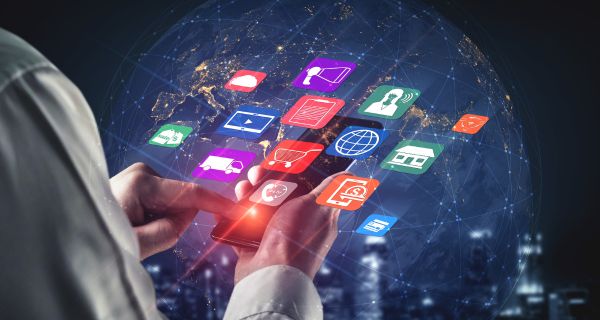
What is Mobile Technology for Businesses?
Mobile technology for businesses encompasses the use of smartphones, laptops, mobile applications, and GPS devices to enhance communication, productivity, customer reach, and conduct additional business activities.
This enables businesses to stay connected while on the go, access essential applications, and engage in effective mobile marketing strategies. Essentially, it’s like having your office in your pocket!
Imagine you own a small bakery. With mobile technology, you can use a tablet or smartphone to take orders and payments right at the customer’s table, while emailing them a receipt.
This not only saves time and avoids errors from rewriting orders but also improves efficiency, speeds up costumer service, creating happy customers.
So when discussing mobile technology for businesses, it’s not just about being on your phone all day. It’s about using these tools to enhance and simplify every aspect of your operations. It’s like having your own trusty assistant with you wherever you go.
While some may question the significance of this kind of technology for certain businesses, there’s likely a way that most businesses could leverage it to improve operations — even if it’s simply being able to answer emails while running errands.
Faraday Security Solutions for Mobility in Business
With the wide use of smartphones and tablets for business purposes as well as being able to work anywhere – whether that’s in a café, while commuting, in a hotel, at the airport, or the obvious places like your home or office, we must consider the security risks that come with wireless devices.
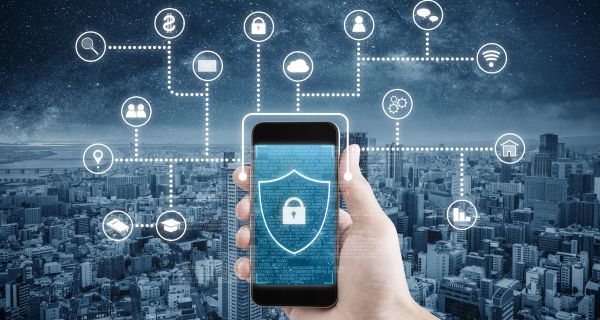
There are cybercriminals that can access and steal your personal and business files, financial data, contacts, passwords, communication, photos videos, client information, etc.
They can install listening and tracking spyware, take over your accounts, defraud you and your business, steal your identity, sell your data, launch phishing attacks, and so much more.
There are a number of things you can do to keep your devices secure, including using Faraday bags for data theft and device security which blocks all signals. This is especially important when travelling, commuting, or while in crowded places.
Cybercriminals can access your iPhone, tablet and laptop remotely so even while not in use, your device should be secure. Faraday bags create a shield around your device, blocking any attacking signal from reaching your electronic device.
Utilizing Smartphones and Tablets for Business
In today’s fast-paced business environment, the use of smartphones and tablets has become indispensable.
These devices have revolutionized the way we work, allowing employees to stay connected and be productive while on the go. Companies see a 68% jump in productivity after allowing BYOD.
Let’s explore some key ways in which these gadgets can empower businesses.
Enhanced Accessibility and Productivity
Smartphones and tablets enable employees to access crucial information at any time and from any location. Whether it’s checking emails, accessing files, reviewing documents, or collaborating on projects, these devices provide unparalleled accessibility to work-related data.
This, in turn, enhances responsiveness in addressing business situations and allows for more streamlined decision-making processes.
Consider a sales representative who is out in the field meeting with clients. With a smartphone or tablet, they can instantly access customer information, update records, and even generate quotes on the spot.

This level of accessibility not only improves the efficiency of their interactions but also conveys a sense of professionalism and preparedness.
Seamless Communication
Apart from accessing data, smartphones and tablets are powerful communication tools that facilitate instant connectivity across teams.
By utilizing dedicated business communication apps or platforms, employees can engage in real-time discussions, share updates, schedule meetings or appointments, and coordinate tasks efficiently regardless of their physical location.
Flexibility in Work Arrangements
These devices also play a significant role in enabling remote work arrangements. Employees can stay connected to the company’s network and carry out their tasks effectively from home or while travelling.
This has become particularly relevant in recent times with the rise of remote work trends.
A project manager overseeing an international team can use their tablet to participate in virtual meetings, review project timelines, and provide guidance to team members irrespective of geographical barriers.
The flexibility offered by these devices enhances work-life balance and fosters a more dynamic approach to collaboration.

In essence, the integration of smartphones and tablets into business operations not only fosters greater productivity but also cultivates a dynamic approach to communication, collaboration, and work flexibility—streamlining processes and empowering employees to perform at their best wherever they are.
Next we’ll explore how specific mobile applications further enhance business productivity and streamline operations.
Mobile Applications for Business Productivity
In today’s fast-paced and interconnected world, businesses are continuously seeking ways to streamline operations, enhance efficiency, and improve overall productivity.
This is where mobile applications come into play, offering a wide array of tools and solutions tailored to meet the diverse needs of modern businesses.
Mobile applications cater to a diverse range of business functions, from project management to customer relationship management (CRM), and from collaboration platforms to accounting software.
Let’s break down some key types of mobile applications that have become integral for driving business productivity.
Project Management Apps
Project management apps are invaluable for businesses looking to efficiently organize, track, and manage their projects from inception to completion.
These apps offer features such as task assignments, progress tracking, deadline management, and resource allocation. They enable seamless communication and collaboration among team members, ensuring that everyone stays informed and aligned with project goals.
Key Benefits:
- Improved coordination among team members
- Enhanced transparency in project progress
- Efficient resource allocation
Collaboration Platforms
Collaboration platforms play a crucial role in enhancing teamwork and communication within organizations.
These platforms provide shared workspaces where teams can collaborate on documents, share ideas, and exchange feedback in real-time.
By fostering seamless interaction and knowledge sharing, collaboration apps contribute to increased productivity and innovation within businesses.
Key Features:
- Real-time document collaboration
- Unified communication channels
- Centralized knowledge sharing
Customer Relationship Management (CRM) Software
CRM software is designed to help businesses effectively manage interactions with their customers and prospects.
When integrated as a mobile application, they empower sales teams with access to vital customer data, sales pipelines, lead management tools, and reporting capabilities on the go.
By enabling instant access to critical customer information, CRM apps facilitate enhanced customer engagement and support strategic decision-making.
Strategic Advantages:
- Seamless access to customer data
- Streamlined sales pipeline management
- Data-driven insights for personalized customer interactions
Accounting Applications
Accounting applications offer a convenient means for businesses to manage their financial transactions, track expenses, generate invoices, and maintain comprehensive financial records while on the move.
These mobile apps and programs enhance financial visibility, facilitate timely invoicing, and provide valuable insights into business performance through intuitive dashboards and reporting functionalities.
Performance Enhancements:
- Simplified expense tracking
- Expedited invoicing processes
- Enhanced financial reporting capabilities
The expansive range of mobile applications available for businesses demonstrates their indispensable role in optimizing operational workflows, strengthening customer relationships, and driving sustained growth in today’s competitive landscape.
Benefits of Business Mobile Technology
Mobile technology has entirely changed how businesses operate. It has enhanced communication, improved responsiveness, increased customer reach, and allowed us connect and work remotely, among so many other benefits.
When used effectively, it can improve productivity, functionality, and organization for both big and small businesses.
It is important to be mindful of cybersecurity and how to keep your devices secure from hackers, trackers, and other cybercriminals, like utilizing Faraday bags, in order to maintain the benefits of wireless technology while avoiding the risks associated with it.